
Custom Aircraft Interiors: Balancing Design, Durability, and Aviation Standards
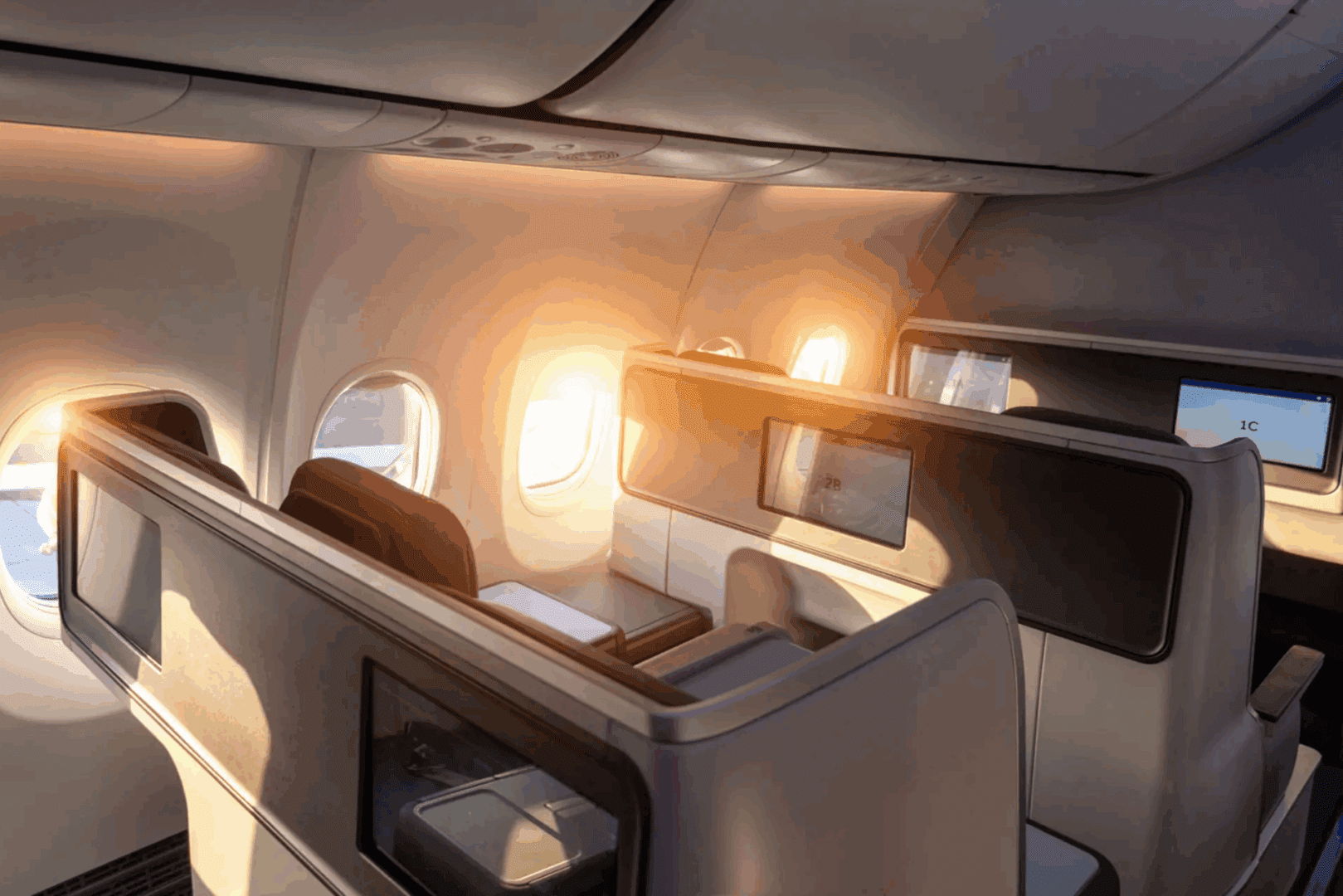
Custom aircraft interiors are a unique intersection of personal expression and technical discipline. Unlike other design fields, aviation interiors must satisfy strict regulatory requirements while delivering comfort and visual appeal.
For private aircraft owners, customization is about creating a cabin environment that fits both lifestyle and aircraft performance.
What Makes Aircraft Interior Design Unique
Aircraft interior design operates under constraints that don’t exist in other industries. Weight, flame resistance, and installation methods all affect airworthiness.
Every design decision must consider:
- Safety regulations
- Aircraft balance and weight
- Long-term durability
This makes customization a thoughtful, technical process rather than purely aesthetic.
Personalization Within Regulatory Limits
Customization does not mean unrestricted choice. Approved materials and installation techniques guide what’s possible.
That said, there is still ample room for personalization through:
- Color combinations
- Stitching styles
- Material textures
- Panel finishes
Experienced interior specialists know how to maximize design options within approved parameters.
Ergonomics and Comfort in Cabin Design
Comfort is a major driver of customization. Seat padding, contouring, and upholstery selection all influence how passengers experience the cabin.
Key comfort considerations include:
- Foam density selection
- Lumbar support
- Seat geometry
Proper ergonomic design reduces fatigue and improves overall flight experience.
The Role of Materials in Custom Interiors
Materials define both the look and longevity of an interior. In aviation, materials must perform under pressure, temperature changes, and frequent use.
Popular material choices include:
- Aviation-grade leathers
- Certified synthetic alternatives
- Flame-treated fabrics
Each material offers different benefits depending on aircraft usage patterns.
Weight Considerations in Custom Design
Weight is a critical factor in aircraft interiors. Even small increases can affect performance and fuel efficiency.
Custom design often balances:
- Luxury appearance
- Lightweight construction
- Structural integrity
Experienced professionals select materials that enhance design without unnecessary weight.
Integrating Sound and Thermal Insulation
Customization is not limited to visible surfaces. Behind-the-scenes upgrades significantly impact cabin quality.
Enhanced insulation can:
- Reduce engine and airflow noise
- Improve temperature regulation
- Increase passenger comfort
These upgrades are especially valuable for frequent flyers.
Craftsmanship and Fitment Precision
Custom interiors require exact measurements and precise execution. Poor fitment can lead to panel gaps, vibration noise, or premature wear.
Precision craftsmanship ensures:
- Seamless transitions between components
- Secure attachment
- Clean, professional appearance
Attention to detail is essential at every stage.
Modern vs. Classic Interior Styles
Some owners prefer a modern, minimalist look, while others value classic or vintage aesthetics.
Modern styles often feature:
- Neutral color palettes
- Clean lines
- Subtle textures
Classic designs may include:
- Rich leathers
- Traditional stitching
- Timeless color schemes
Both styles benefit from thoughtful execution.
Custom Interiors and Aircraft Resale
A well-designed custom interior can significantly increase resale appeal. Buyers often prioritize interior condition when evaluating aircraft.
A tasteful, high-quality interior:
- Signals proper maintenance
- Reduces buyer hesitation
- Improves perceived value
Overly personalized designs may be adjusted to appeal to a broader market.
Collaboration with Other Aviation Specialists
Interior customization often overlaps with other upgrades. Coordination with avionics or maintenance teams ensures seamless project execution.
This collaboration helps avoid:
- Installation conflicts
- Scheduling delays
- Redundant labor
Teamwork results in smoother outcomes.
Timeline and Planning Expectations
Custom interiors require planning. Material sourcing, design approval, and scheduling all affect timelines.
Planning steps typically include:
- Initial consultation
- Design discussion
- Material selection
- Project scheduling
Clear communication keeps expectations aligned.
Why Experience Matters in Custom Aircraft Interiors
Not all upholstery experience translates to aviation. Aircraft interiors demand specialized knowledge and regulatory awareness.
An experienced aviation interior specialist understands:
- Aircraft structures
- Compliance documentation
- Long-term wear considerations
This expertise protects both safety and investment.
Final Thoughts and CTA
Custom aircraft interiors are a careful balance of design, durability, and compliance. When done correctly, they elevate both the look and experience of flying while maintaining safety standards.
Full Throttle Interiors brings decades of hands-on aviation experience to every custom project. Specializing in private aircraft interiors, the team combines FAA-compliant materials, precise craftsmanship, and personalized design to deliver interiors that perform as beautifully as they look.
To discuss your custom aircraft interior project, visit the contact page and connect with Full Throttle Interiors today.